
Social Media Influencers in China Now Need Credentials to Discuss Expert Topics
Nov 07, 2025
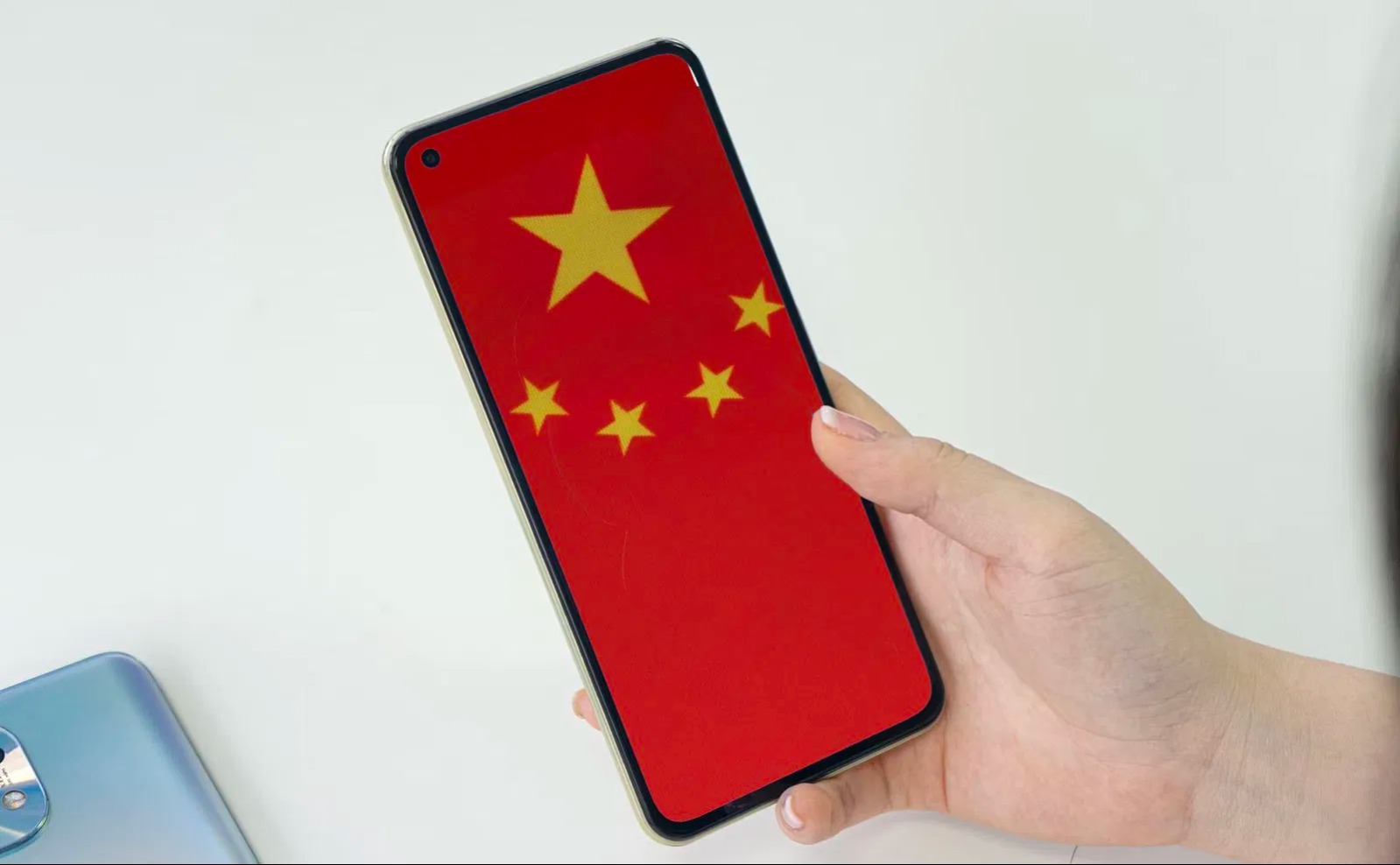
Social media has fueled the spread of misinformation, particularly with the rise of online influencers. Now, the Chinese government is pushing back with a new rule requiring influencers to hold formal qualifications when discussing specialized topics such as medicine, law, education, and finance.
On October 26, the Cyberspace Administration of China (CAC) announced the new regulation. The CAC oversees China’s cyberspace security and online content, directing, coordinating, and supervising digital information management and approving businesses related to online news reporting.
Under the new rule, creators in China must provide proof of expertise—such as a degree, professional license, or certification—before posting content on topics deemed professional. Platforms including Weibo, Bilibili, and Douyin will verify influencers’ credentials and restrict content from those who are not qualified. The CAC has also halted ads for medical products, health foods, and supplements presented as educational content.
Additionally, when uploading content to social media platforms, creators are now required to disclose any AI-generated material clearly and indicate if the content references research studies.
Online Reactions
Online reactions have been mixed, with some users seeing the move as reasonable in an era of rampant misinformation. As one Reddit user said, “The ability to have and express an opinion is a fundamental right … That being said, it should also be made perfectly clear when someone is or is not qualified to speak on a topic.”
Others argue that the regulation addresses a growing problem. “Any idiot with a platform can say anything they want and people take them at their word like they’re an expert… I see why they’re doing it,” one commenter said.
However, critics warn about potential abuse. “It sounds good until you realize that what is considered a ‘professional topic’ is arbitrary, and the Chinese government can heavily abuse this for more oppression,” wrote another user.
On Chinese social media platforms, opinions are similarly varied. One Weibo user wrote that, “It’s about time people with real expertise led the conversation.”
Meanwhile, some have offered skeptical opinions online, arguing that degrees don’t always guarantee competence or honesty, and charismatic non-credentialed voices often bring value.
“Next thing you know, we’ll need a license to post opinions,” shared a Beijing creator on Weibo. “They have said that the law will give too much power to authorities to decide individuals, who can be counted as an “expert”.
The Chinese Communist Party Makes the Rules
In China, educational and professional information falls under state oversight. The Communist Party ultimately determines what credentials are valid, which topics require verification, and how verification is conducted. While the policy aims to improve information accuracy, critics say expertise may not be acknowledged if it conflicts with state-approved viewpoints.
As scientific and medical knowledge continues to evolve globally, questions remain about whether information recognized internationally could be dismissed if it does not align with government standards.
At its core, the initiative raises a larger debate: how can governments and platforms combat misinformation without restricting free expression? Ensuring accurate information is a universal goal, but who decides what counts as credible—and who gets to speak—remains the central challenge.
Source: thedebrief